How La Liga teams change line-ups, travel and tactics during cup weeks — and why it matters for La Liga betting
This guide explains how La Liga clubs handle midweek European or domestic cup fixtures, why managers rotate the squad or tweak tactics, and how those decisions influence common betting markets. Readers will learn which factors to check before placing a match-winner, Asian handicap, both teams to score (BTTS), over/under or corners bet, and how to separate confirmed facts from interpretive signals.
Why rotation, travel and schedule congestion change market dynamics
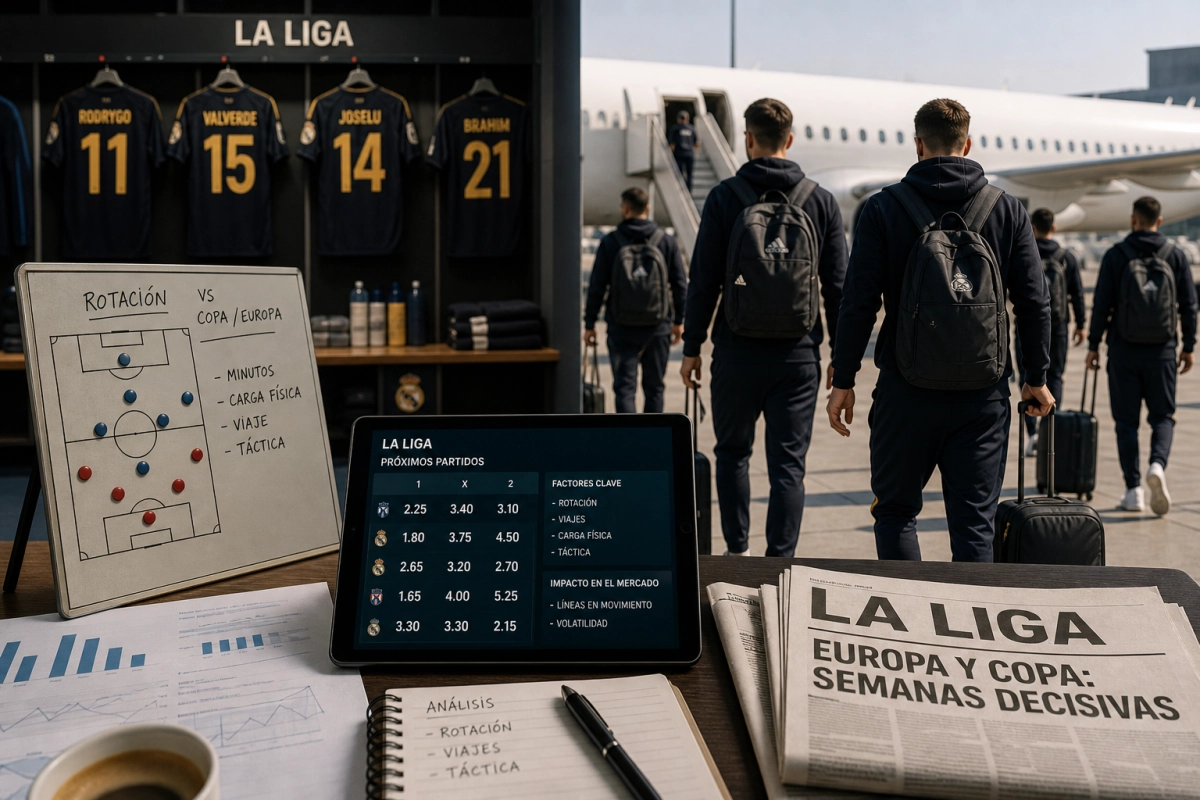
During weeks with Champions League, Europa League or Copa del Rey games, La Liga teams face compressed schedules. Managers must balance fitness, competition priorities and travel — and those choices create predictable effects on performance and the betting markets.
- Squad rotation: Big clubs often rest key starters in the next league game; smaller squads have fewer options. Rested teams may lose rhythm; rotated teams can be less organised defensively or less clinical up front.
- Travel and recovery: Long flights, late kick-offs and short turnarounds increase fatigue and injury risk. Home advantage can shrink for a team returning from travel.
- Tactical changes: Managers may switch to a more cautious or rotated XI to protect players, or field attack-focused sides when rotation focuses on defenders. That shifts goal probabilities and set-piece frequency.
- Motivation and priority: When a club prioritises European progress, league matches may see weakened line-ups; conversely, teams fighting relegation or for top spots usually field their strongest XI despite travel.
For bettors, these patterns mean pre-match odds reflect both measurable factors (confirmed line-ups, minutes since last match) and interpretation (expected rotation). Always verify official team news before locking in bets.
Key betting markets and how they react to midweek rotation
Beginner definitions first — then practical links to rotation and travel.
- Match winner (1X2): Simple outcome market. Odds widen when a favourite is expected to rest starters; outsiders shorten if rotation is confirmed.
- Asian handicap: Removes the draw by giving one side a goal advantage. Useful when a stronger team fields a weakened XI — handicaps may move toward the underdog.
- Both teams to score (BTTS): Predicts whether both teams will score. Rotated defences or attacking-rotated sides can increase BTTS probability.
- Over/Under goals: Market for total goals (commonly 2.5). Tired defences and rotated attacks often push volatility in either direction — expect late market movement after line-ups.
- Corners: A proxy for attacking intent. Teams resting creative starters may win fewer corners; high-pressing rotated opponents can increase corner counts.
Practical pre-match checklist for evaluating rotation risk
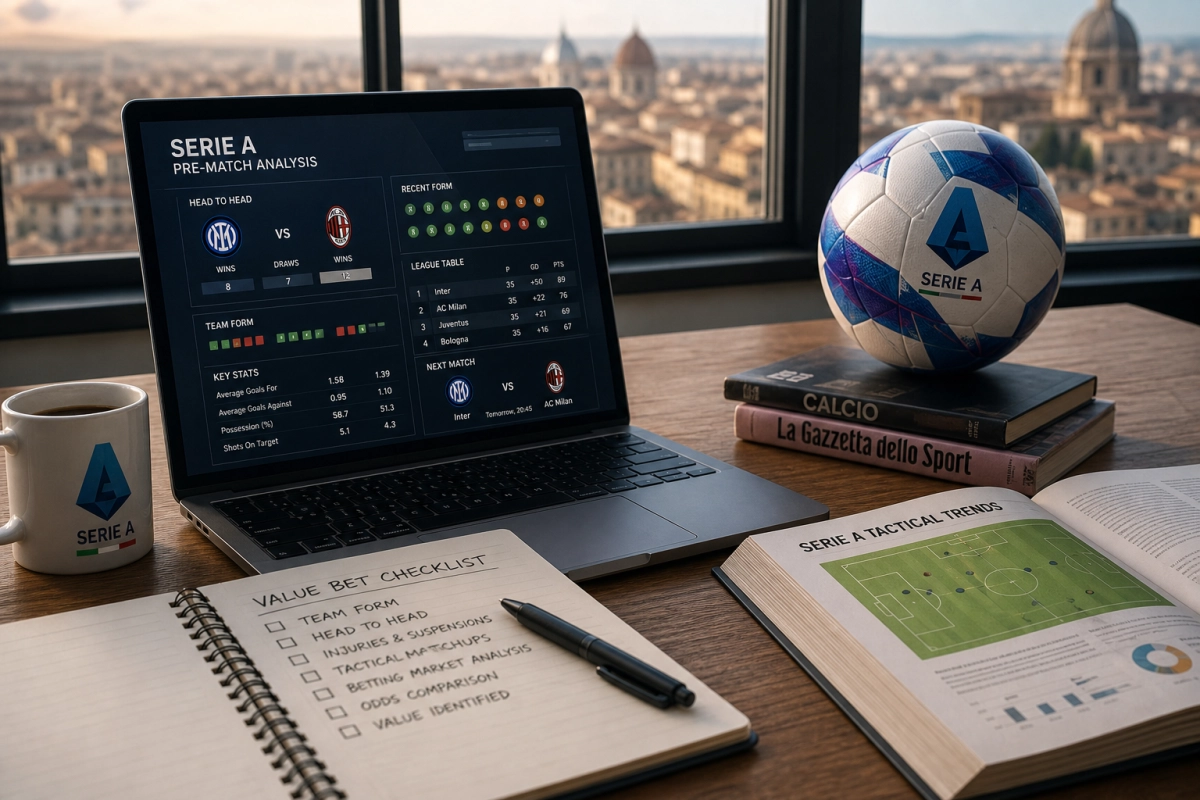
Before placing a La Liga betting stake on a cup-week fixture, check these items in order of importance:
- Confirmed starting XI and bench minutes (official line-ups).
- Days since the last match and travel distance/time zones.
- Manager statements about priorities and expected rotation.
- Injury list and suspension news.
- Home vs away form in congested schedule situations.
These checks reduce guesswork and help identify which market (match-winner, Asian handicap, BTTS, over/under or corners) may offer value. Remember to bet responsibly: set a budget, use affordable stakes and confirm line-ups before placing live or pre-match bets.
Next, the article will break down typical rotation templates used by top, mid-table and smaller La Liga clubs and show concrete examples of how those templates shift probabilities across each betting market.
Rotation templates used by top, mid-table and smaller La Liga clubs
Managers fall into a few repeatable rotation patterns during cup weeks. Recognising which template a team will follow is the fastest way to convert line-up news into an expected match profile.
- Top clubs (title contenders / European heavyweights): These sides usually rotate selectively. Expect core starters (central defence, first-choice goalkeeper, a box-to-box midfielder) to be preserved while wide players, a full-back and one or two attackers are rested. That produces a side still technically superior but potentially less incisive on the flanks. Betting signal: market movement of favourites is often modest pre-lineup; sharper moves appear when a front-three or a playmaker is confirmed absent.
- Mid-table teams (flexible squads): Managers here use tactical rotation based on opponent and fitness. You may see wholesale changes when midweek opponents are lower-tier, or a small rotation focused on one position group (e.g., rotating central midfielders). Betting signal: volatility in Asian handicap and over/under around confirmed XIs — these teams oscillate between conservative and attacking line-ups, so odds fluctuate more after press conferences and XI releases.
- Smaller clubs (limited depth): Rotation is minimal. If they have a cup tie, they often prioritise the league or simply cannot change much because backups are lower quality. Expect tired starters and predictable subs. Betting signal: the safest pre-match market is often match-winner or small Asian handicap on the opponent, but watch for increased BTTS and late-game corners as fatigue shows up after 60 minutes.
Also note hybrid patterns: a big club playing a high-priority European tie but with a congested domestic calendar might rest attackers in consecutive weeks and instead exhaust full-backs — that subtly shifts corner and BTTS expectations without completely changing match-winner odds.
Concrete market signals and in-play adjustments to watch during cup weeks
Turning templates into trades requires attention to specific signals and timing. These are practical rules you can apply the day of the match and once the ball is rolling.
- Line-up triggers (pre-match): If a favourite omits two or more regular starters from the front six, expect drift in 1X2 and a shrink in the favourite’s Asian handicap. If both teams name rotated defences, lower your over/under expectation and increase BTTS uncertainty.
- Odds movement window: The sharpest, most reliable market moves happen in the 60–120 minutes after official XIs are published. Bookmakers reprice on confirmed absences; early movers who read press-room hints can capture value before public books tighten.
- Substitution patterns and live markets: Cup-week subs tend to be defensive around the 60–70 minute mark when managers protect fitness. If a stronger side brings on attackers late, expect a spike in corner markets and over 2.5 goals in the final 20 minutes. Conversely, if a favourite brings on defensive reinforcements, live Asian handicap and total goals odds often shorten for the under.
- Corners and BTTS nuance: Watch who’s rested: creative full-backs and wingers drive corner volume. If those starters are absent, pre-match corners typically fall; if the opponent rotates centre-backs, corner counts can rise as new defenders are targeted.
Use these signals in concert: a rotated favourite plus early market drift can justify backing the underdog on Asian handicap or taking a lower-exposure BTTS/over position. Always confirm official XIs and monitor substitution intent during the match — those micro-decisions are where cup-week betting outcomes are won or lost.
Practical scenarios: three common cup-week setups
- Top club resting front three but keeping defensive spine — Match-winner odds will often drift; consider reduced-stake Asian handicap on the underdog (+0.5 or +1) if two or more attackers are absent. Prefer waiting for official XIs before committing and avoid large pre-match over/under stakes.
- Mid-table side rotating central midfield — Expect transitional sluggishness and a higher chance of both teams scoring as midfield cohesion drops. BTTS and over 2.5 goals can offer value, particularly in-play if early chances are traded. Monitor who starts in defensive midfield for sharper readjustments.
- Smaller club with short turnaround or long travel — Fatigue often appears after 60 minutes: late corners, defensive lapses and increased substitutions. If the stronger opponent preserves a core lineup, small pre-match match-winner stakes on the favourite can be sensible; otherwise look for in-play corner or over markets when fresh attackers are introduced late.
Closing guidance for cup-week betting
Treat cup weeks as an exercise in patience and information control rather than intuition. The edge comes from waiting for definitive signals (official XIs, manager comments and early market movement), sizing stakes to account for increased variance, and exploiting live markets when substitutions and tactical shifts become visible.
Keep a compact record of your cup-week bets: market, stake, lineup trigger, and outcome. Over time that simple log will reveal which rotation patterns you read well and which you misjudged. Above all, preserve bankroll discipline — smaller, better-informed bets during congested schedules win more consistently than large speculative wagers based on guesswork.