Read the Match Before You Consider Live Betting
Live betting requires more than watching the score and reacting quickly. You need to interpret in-play match events, momentum, live odds movements, substitutions, cards, injuries and market suspensions before considering any football betting option. This guide explains how to separate useful information from emotional reactions so you can assess a match more carefully.
Whether you are following the Tanzania Premier League, the Premier League, Champions League or another competition, live odds change because the match situation changes. Prices can move after a goal, a red card, a penalty, a tactical adjustment or a period of sustained pressure. However, momentum alone does not prove that another goal or a particular result will follow.
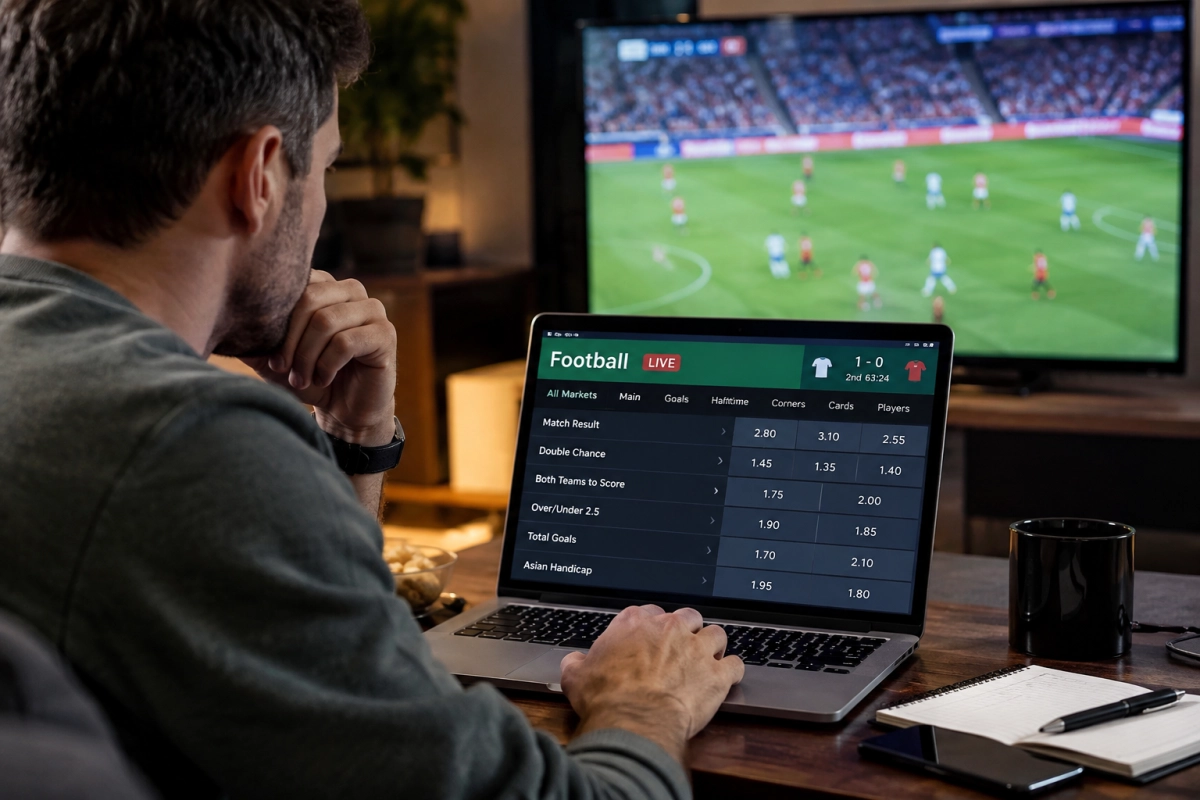
How Live Football Odds Change During a Match
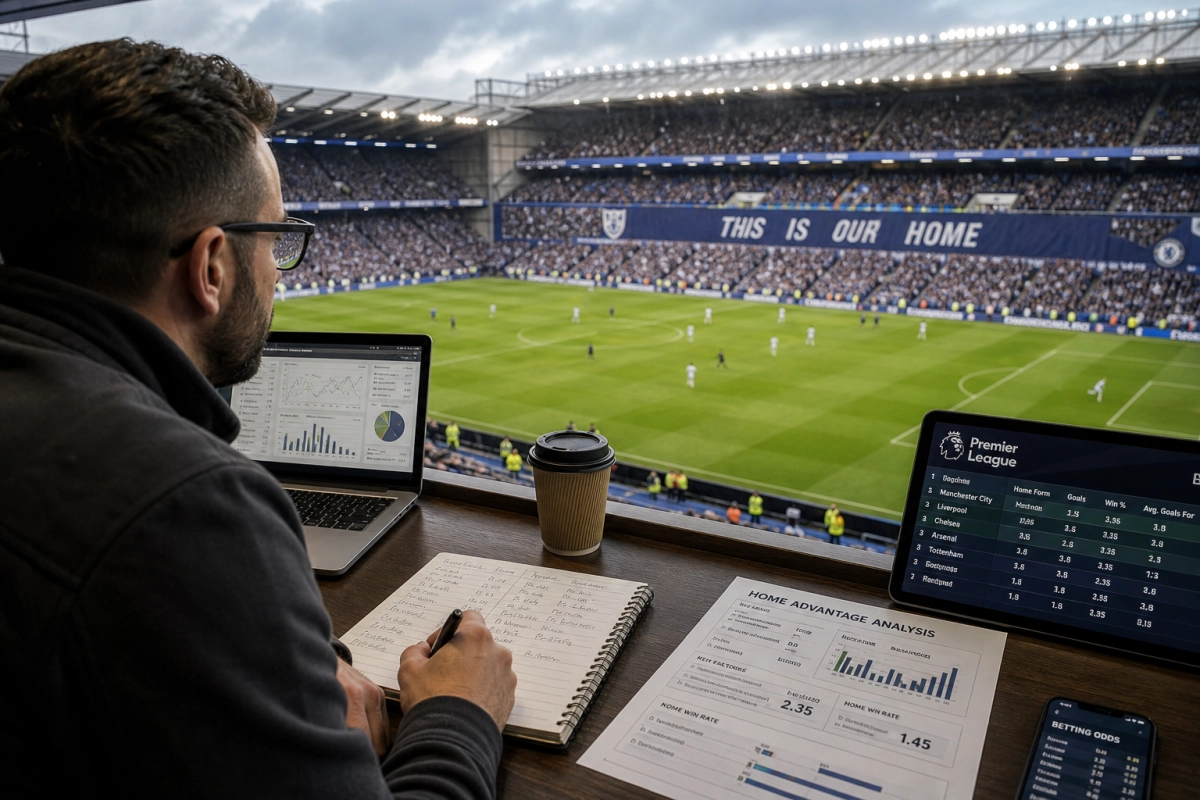
Before kickoff, bookmakers price markets using factors such as team strength, recent form, home and away records, expected line-ups and injuries. During the match, those prices are recalculated using the current score, time remaining and events on the pitch. Bookmaker risk management and betting activity can also influence the movement.
For example, if the home team scores early, its match-winner odds will usually become shorter because it now has an advantage. The away team’s price generally becomes longer. Yet the size of the movement depends on several details:
- How much time remains for the losing team to respond.
- Whether the goal reflects sustained pressure or a single counterattack.
- The strength and tactical approach of both teams.
- Whether a key player has been injured or sent off.
- How the score affects the likely pace of the match.
Markets may also be suspended immediately after a goal, penalty appeal, red card or possible VAR review. Suspension gives the operator time to confirm the event and recalculate prices. When the market reopens, the available odds may be different from those shown moments earlier. A displayed price is therefore not guaranteed to remain available until your bet is accepted.
Use Match Momentum With Evidence, Not Emotion
Momentum describes which team appears to be controlling the match at a particular time. You can assess it through possession, shots, shots on target, dangerous attacks, corners, territory and the quality of chances created. These statistics are more useful when combined with what you can see tactically.
Ask practical questions before interpreting a dominant spell:
- Is the pressure producing clear chances or only harmless possession?
- Is one team defending deep by design and waiting to counterattack?
- Has the leading team reduced its attacking effort after scoring?
- Are repeated attacks coming from a genuine weakness on one flank?
- Does the match tempo suit the over or under goals market?
A team may have many corners without creating a high-quality opportunity. Similarly, a side with less possession may look dangerous whenever it wins the ball. Avoid assuming that a recent attack automatically means the next goal is likely. You should also remember that a live stream may be delayed, allowing odds to move before you see an incident.
Once you have assessed the score, time, statistics and tactical context, the next step is understanding how substitutions, cards and injuries can change the match and its available markets.
Read Substitutions as Tactical Changes, Not Simple Quality Swaps
A substitution can change the balance of a match, but its meaning depends on the score, timing and role of the player entering. A forward brought on while a team is chasing the game may increase attacking numbers, yet it can also leave more space for counterattacks. A midfielder replacing a tired attacker may signal that the coach is protecting a lead rather than seeking another goal.
Look beyond the player’s reputation and consider the tactical purpose:
- Is the replacement adding pace against a tiring defence?
- Has a defensive midfielder been introduced to protect central areas?
- Is the substituted player injured, booked or simply ineffective?
- Has the formation changed, or has the team kept the same structure?
- Will the new player improve set pieces, pressing or counterattacking?
Substitutions can take time to influence the match. A newly introduced attacker may need several minutes to find space, while a defender entering late may immediately alter the opponent’s willingness to attack. Do not treat every substitution as evidence that goals or a change in result will follow.
Interpret Cards and Injuries Through Their Match Impact
A yellow card matters most when it affects how a player can defend. A booked full-back may stop making aggressive challenges against a quick winger, while a cautioned midfielder may become less effective when pressing. The importance also depends on the player’s position, the referee’s approach and whether the opponent is repeatedly targeting that area.
A red card is usually a major event, but the effect is not always straightforward. The team with fewer players may defend deeper and make the match more difficult to break down. If the dismissal occurs late, there may be too little time for the numerical advantage to produce a goal. The scoreline also changes the likely response: a side losing after a red card may take greater risks than a team already protecting a draw.
Injuries require similar caution. The departure of a goalkeeper, centre-back or main striker can have a greater tactical effect than the loss of a squad player. However, an injury break may also reduce tempo and interrupt a period of pressure. Check whether the replacement fills the same role and whether the team’s shape has changed before interpreting the incident.
Respect Suspensions and Confirm the New Match State
Live markets may be suspended during goals, penalties, red cards, injuries, substitutions, VAR checks and other events that could materially change the price. This is not necessarily a technical problem or an opportunity to act before everyone else. It usually means the operator is confirming what happened and recalculating the market.
When prices return, review the match again from the beginning: score, minute, remaining substitutions, player numbers, tactical shape and current pressure. A market reopening does not mean the previous odds are still relevant. It may also reopen with changed rules, limits or selections removed. Confirm that the bet details match your intended market before proceeding, and remember that acceptance can still be delayed or rejected if the price moves.
Make Patience Part of Your Live Betting Process
The strongest live decisions often come from waiting for the match state to become clear rather than reacting to its most recent incident. Give yourself time to verify what has changed, consider how both teams are likely to respond and decide whether the available price reflects the risk involved.
If the information is incomplete, the market is suspended or your judgement is being driven by excitement, there is no obligation to place a bet. A disciplined approach means accepting that some matches offer no suitable opportunity. Treat live betting as a decision-making exercise, set clear limits and only proceed when you understand both the football situation and the terms of the market.