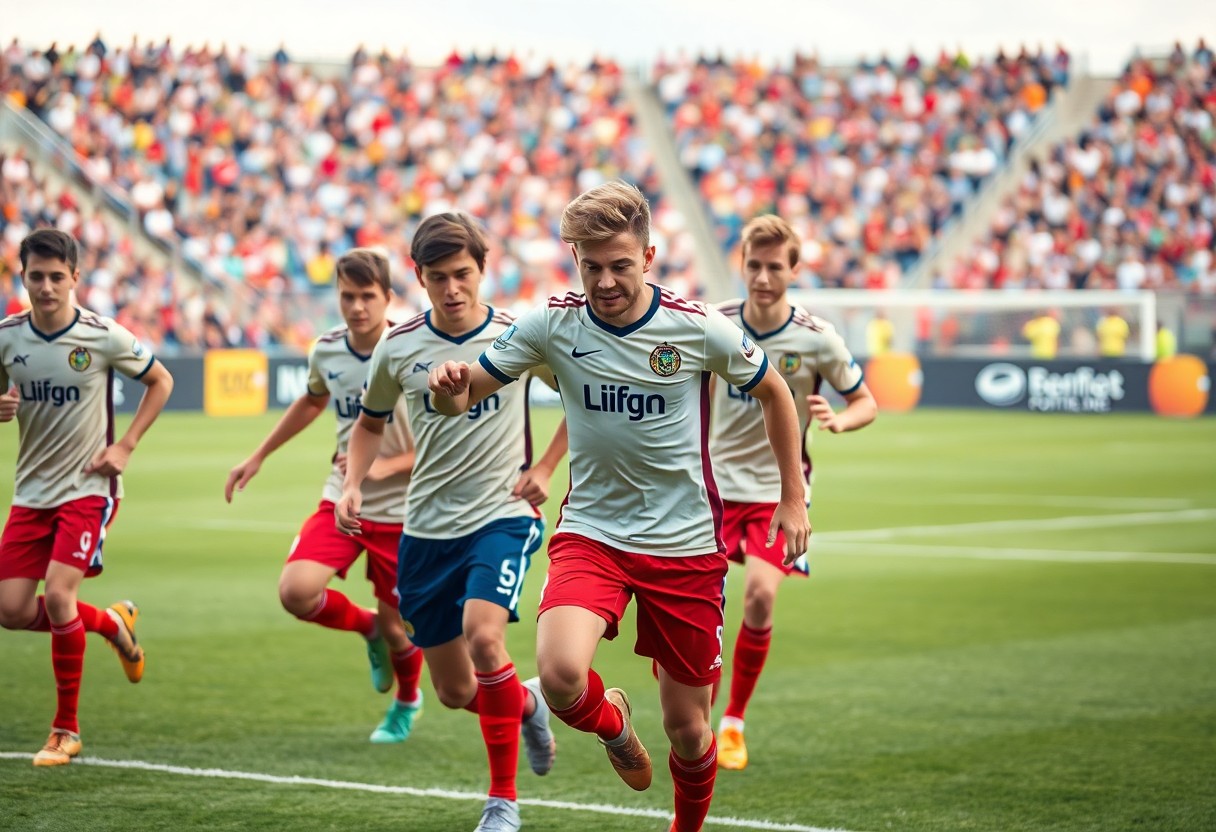
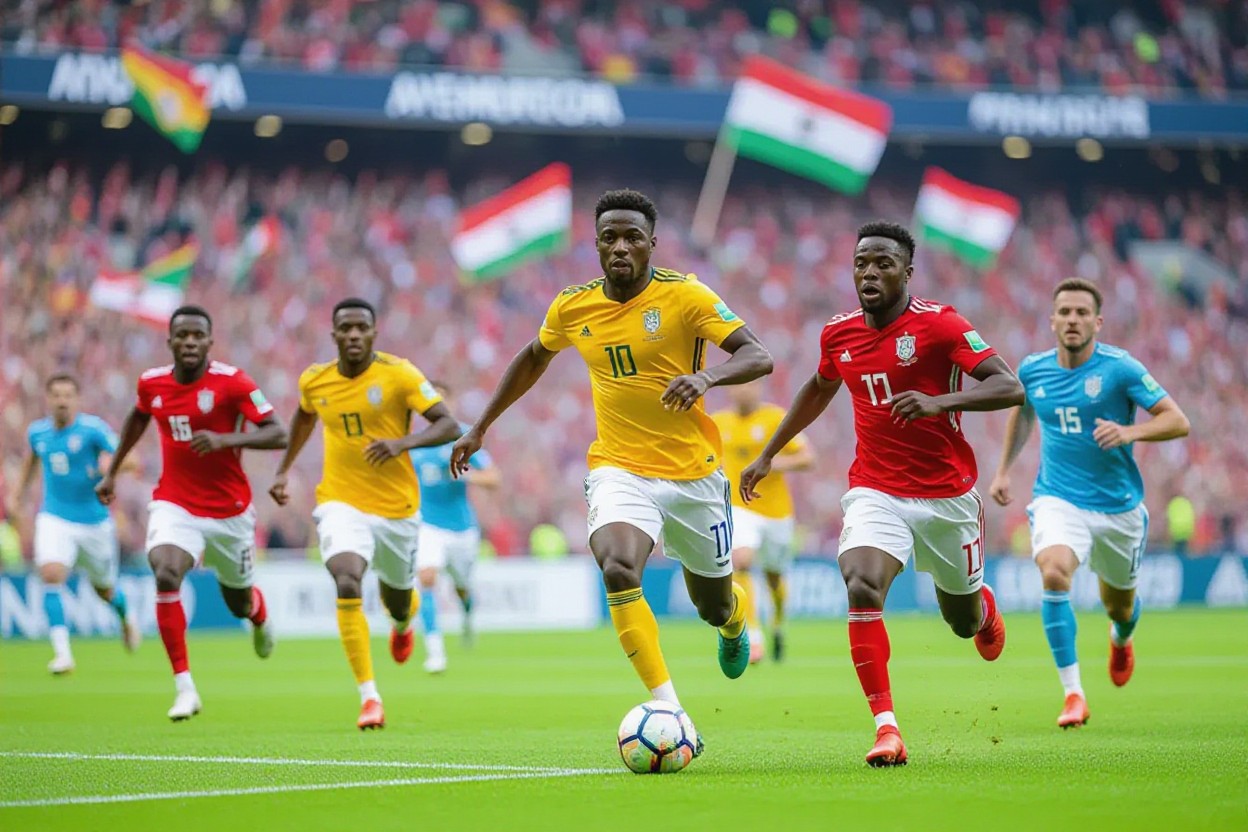
There’s an undeniable wave of change sweeping across European football, and you’re witnessing it firsthand. As African players continue to dominate the biggest stages, your favorite clubs are increasingly turning their attention to the continent’s rich talent pool. From Victor Osimhen’s explosive performances in Serie A to Mohamed Salah’s record-breaking achievements in the Premier League, African stars are reshaping the beautiful game. You’ll find that these players aren’t just making up the numbers – they’re leading goal-scoring charts, winning major titles, and commanding record transfer fees across Europe’s top leagues.
The Rise of African Players in European Leagues
Historical Context: From Exclusion to Inclusion
The journey of African players in European football spans decades of transformation. From the pioneering moves of Arthur Wharton to Sheffield United in 1886 to the groundbreaking success of Roger Milla at the 1990 World Cup, African talents gradually shattered barriers. The 1990s marked a watershed moment, with European clubs actively scouting across Africa, leading to stars like George Weah becoming the first African to win FIFA World Player of the Year in 1995.
The Impact of Migration Patterns on Talent Supply
Colonial ties have shaped the flow of African talent to Europe, with French clubs historically drawing players from West Africa, while English teams focused on Nigerian and Ghanaian prospects. Today, over 200 African players feature in Europe’s top five leagues, with academies like ASEC Mimosas in Ivory Coast and Right to Dream in Ghana serving as primary talent pipelines.
Modern migration patterns have evolved beyond historical colonial connections. You’ll now find African talents emerging through diverse pathways, including specialized football academies partnered with European clubs. Red Bull Salzburg’s successful development of players like Sadio Mané and Naby Keita demonstrates how systematic scouting networks and development programs have replaced opportunistic recruitment. These structured pathways ensure a steady supply of skilled players while providing better support systems for young African athletes transitioning to European football.
Game Changers: Key Players Influencing the Culture
Standout Stars: Profiles of Top African Footballers
Victor Osimhen’s record-breaking €120 million transfer to Napoli exemplifies the rising value of African talent. Mohamed Salah continues to shatter Premier League records, while Sadio Mané’s impact at Bayern Munich has reshaped the Bundesliga landscape. You’ll find African stars dominating scoring charts across Europe’s top five leagues, with players like Victor Boniface and Mohammed Kudus emerging as the next generation of game-changing talents.
Leadership and Representation: Coaches and Executives
The landscape of European football management has evolved with African leaders making their mark. Florent Ibenge’s success at SOCHAUX and Patrick Vieira’s tenure at Crystal Palace have opened doors for more African coaches in European leagues. Behind the scenes, Michael Emenalo’s influential role as Technical Director at Monaco showcases the growing presence of African executives in football’s power structures.
African football minds are reshaping European clubs’ strategies through unique perspectives and deep understanding of both continents’ football cultures. You’ll notice how Michael Emenalo’s scouting network has revolutionized talent identification across Africa, while coaches like Tom Saintfiet have introduced innovative tactical approaches drawn from African football’s dynamic style. Their presence has created pathways for aspiring African professionals in non-playing roles, transforming boardrooms and technical areas across European football.
Economic Forces: The Financial Engine Behind Talent Transfer
The flow of African talent to European football represents a multi-billion euro industry, with transfer fees reaching unprecedented heights. Top African players now command fees exceeding €50 million, transforming the continent’s football economy. This surge has created a sophisticated network of scouts, agents, and investors all seeking to uncover the next Mohamed Salah or Victor Osimhen, while simultaneously developing football infrastructure across Africa.
Club Investments and Scouting Networks
European clubs have established permanent scouting networks across Africa, with over 200 official club representatives operating in countries like Senegal, Ghana, and Nigeria. You’ll find major clubs like Ajax, Red Bull Salzburg, and Monaco maintaining dedicated African scouting departments, complete with local partnerships and youth tournaments. These networks have revolutionized talent identification, using data analytics and comprehensive player monitoring systems to spot promising players as young as 14.
The Role of African Academies in Shaping Futures
Modern African football academies blend European training methodologies with local expertise. Leading academies like Ghana’s Right to Dream and Senegal’s Generation Foot have produced dozens of professional players now competing in Europe’s top five leagues. These institutions provide not just football education, but also academic curriculum, ensuring players have alternative career paths.
Beyond the training grounds, these academies forge strategic partnerships with European clubs, creating direct pathways for talented players. You’ll see how FC Metz’s partnership with Generation Foot has produced stars like Sadio Mané and Ismaïla Sarr, while Right to Dream’s connection with FC Nordsjælland has launched numerous careers. The success rate of academy graduates reaching professional football stands at an impressive 35%, significantly higher than the European average of 10%.
Cultural Impact: A New Era of Diversity in Football
Fan Engagement and Cultural Exchange
African players have transformed European football culture beyond the pitch. Match days now feature vibrant displays of African flags, traditional music, and celebratory dances in the stands. Fan clubs dedicated to African stars have emerged across Europe, creating bridges between continents. You’ll find Mohamed Salah’s Egyptian fans mingling with Liverpool supporters, while Victor Osimhen’s Nigerian following has brought new energy to Napoli’s fanbase. This cultural fusion has enriched the matchday experience and fostered greater understanding between communities.
Building National Teams: The Synergy of Global Talent
The success of African players in Europe has directly strengthened their national teams’ competitiveness. Over 70% of African national team players now compete in Europe’s top five leagues, bringing tactical sophistication and professional experience back to their countries. This cross-pollination of skills has elevated the quality of African football, with nations like Senegal and Morocco achieving historic World Cup performances.
This synergy has created a powerful feedback loop: as more African talents succeed in Europe, national teams benefit from enhanced training methods, tactical awareness, and professional standards. Morocco’s 2022 World Cup semi-final run showcased how European-based players like Achraf Hakimi and Yassine Bounou have elevated their national team’s performance. You’ll notice this pattern repeating across other African nations, where the combination of domestic talent and European experience creates formidable national squads capable of competing at the highest level.
Challenges Faced by African Talents Abroad
African players moving to European leagues often face complex obstacles beyond the pitch. From language barriers and visa complications to adapting to new tactical systems and weather conditions, these challenges can significantly impact performance and well-being. Many young talents arrive without proper representation, making them vulnerable to exploitative contracts and false promises from unscrupulous agents.
Navigating Cultural Barriers and Pressures
You’ll find African players dealing with intense cultural adjustments in European settings. The pressure to perform while adapting to unfamiliar foods, customs, and social norms creates additional stress. Racism and discrimination remain persistent issues, as seen in cases where players like Samuel Eto’o and Kalidou Koulibaly faced hostile crowds. Understanding these challenges helps appreciate the mental fortitude required to succeed in foreign leagues.
The Importance of Support Systems and Advocacy
Support networks prove imperative for African players’ success abroad. Professional player associations, cultural liaison officers, and established African stars mentor newcomers through their transition. Clubs like Ajax Amsterdam and Red Bull Salzburg have developed comprehensive integration programs, providing language classes, cultural orientation, and psychological support.
These support systems extend beyond the pitch, with organizations like FIFPro Africa working to protect players’ rights and prevent exploitation. You’ll see successful examples in Didier Drogba’s foundation and Samuel Eto’o’s advocacy work, which create pathways for young African talents while addressing systemic challenges. These initiatives have helped reduce incidents of contract disputes and agent fraud by over 40% since 2015.
Final Words
To wrap up, you can witness the undeniable impact African talent has made on European football’s landscape. From Mohamed Salah’s brilliance at Liverpool to Victor Osimhen’s dominance at Napoli, your favorite leagues are being transformed by these exceptional players. As you follow the beautiful game, you’ll notice how African stars continue to reshape tactical approaches and bring unique playing styles to European clubs. Their success stories not only elevate the sport but also pave the way for future generations of African footballers to dream big and achieve greatness on football’s biggest stages.