
Why game pace is the first thing you should check
When you place an over/under (total) bet, you’re betting on the combined scoring outcome — and pace is the primary driver of scoring volume. You should start by asking: how many possessions will each team play? Faster possessions equal more shot attempts, free-throw chances, and rebound opportunities, which all push totals higher.
To read pace quickly, compare the line to recent game tempos rather than season averages. Teams can speed up or slow down based on matchups and coaching adjustments. You’ll want to factor in:
- Recent possessions per game: Look at the last 5–10 games for both teams to capture current tendencies.
- Style of opponent: A team might play fast against weak defensive squads and grind against elite defenses — evaluate the matchup.
- Back-to-back and travel effects: Fatigue often reduces tempo and scoring late in long road trips or on the second night of a back-to-back.
Quick checks you can run in 2–3 minutes
- Open a stats site and note each team’s recent possessions and league rank in pace.
- Compare implied possessions to the sportsbook’s expected total; a mismatch suggests an edge.
- Scan game script scenarios — e.g., if one team is likely to lead comfortably, the trailing team may push tempo and inflate scoring.
How injuries and lineup changes move totals
Injuries are one of the most underused levers for adjusting totals. You need to understand not just whether a player is out, but how their absence changes role distribution and defensive cohesion. Losing a high-usage scorer often reduces team efficiency but can increase pace if replacements push the pace or force different defensive matchups.
When assessing injury impact, focus on these practical angles:
- Usage redistribution: If a primary ball-handler or scorer is out, who absorbs possessions? A bench player with low offensive efficiency likely reduces scoring.
- Defensive IQ and rim protection: Replacing a rim protector can raise opponent scoring and raise the total, even if your team’s offense drops.
- Bench depth and foul trouble: Teams with thin benches fatigue faster, lowering late-game scoring; teams with versatile benches can keep pace up.
Always check late injury reports and heatmaps that show where shots come from; those clues tell you whether a missing player affects volume or efficiency more. Next, you’ll learn how to combine pace and injury insights with trend analysis — including line movement and public betting — to create a consistent over/under strategy.
Reading line movement and separating public noise from sharp action
Line movement tells you where the market believes the value is — but you have to know whose money is moving it. Public bettors (the “casuals”) and sharps (professional/informed bettors) behave differently, and totals respond to both in distinct ways.
- Volume vs. percentage: Look at both the percent of bets on one side and the money-weighted share. If 80% of bets are on the over but only 30% of the money is, the books are protecting against large professional bets and you’re seeing public noise.
- Timing of movement: Early movement (hours after lines release) often reflects sharp activity. Late movement — minutes or an hour before tip — can be books responding to injury/news or a big public push. Note when totals jump and cross-check news timelines.
- Small moves matter on totals: Unlike spreads, a half-point or even 1-point swing in totals can change the bet from under to over or vice versa. Treat small, unexplained shifts as potential indicators of hidden information (late scratches, lineup confirmations, or big sharp tickets).
Quick checks to run:
- Compare the opening total to the current best line across several books — a consistent move in one direction across books often signals sharp money.
- Use betting-market aggregators for public percentages and professional consensus tools if available; where pros diverge from the public is where value lives.
- When you see movement without obvious news, question why — and avoid chasing until you find the rationale or your own model confirms it.
Situational modifiers: rest, travel, and referee tendencies that change scoring
Beyond pace and injuries, several situational factors regularly nudge totals. These aren’t dramatic line-changers on their own, but when combined with pace-injury analysis they can flip a play from plausible to profitable.
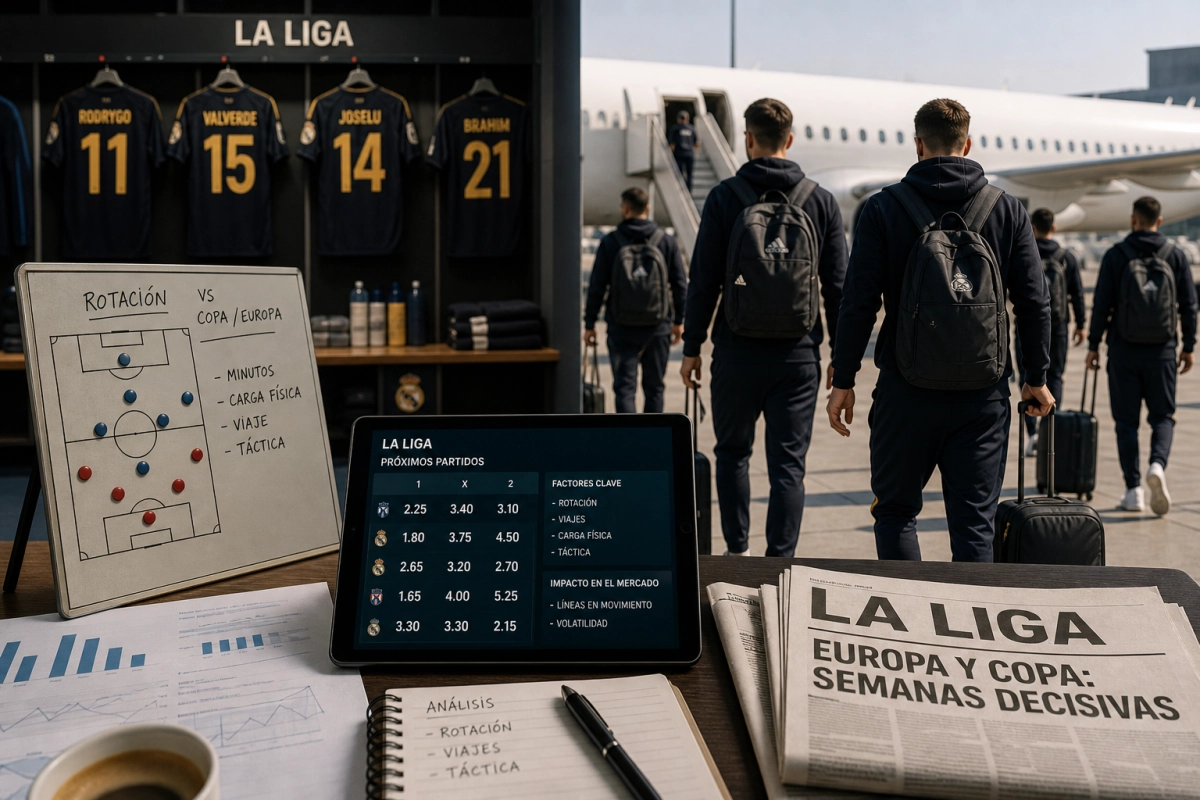
- Rest differentials: Teams coming off extra rest (3+ days) typically see better offensive efficiency and cleaner shooting, which can lift totals. Conversely, teams on the second night of a back-to-back often show drops in both pace and accuracy — bet unders or reduce your expected possessions.
- Travel and time zones: Long west-to-east or east-to-west flights can sap energy and disrupt shooting, especially on the second game of a long road trip. Look for cumulative travel fatigue across a three- to five-game stretch.
- Matchup-driven foul rates and refs: Some referee crews call more fouls and allow more free throws; games officiated by those crews typically have higher scoring totals due to free-throw volume. Check crew tendencies and recent FT attempts in their games.
- Motivation and game script: Early-season blowouts, playoff-rest management, or tanking dynamics alter intensity. A veteran coach resting starters late will reduce totals; teams playing for seeding will push to maximize scoring opportunities.
Practical checklist before you pull the trigger:
- Confirm rest days and travel direction for both teams — adjust projected possessions ±5–8% for extreme cases.
- Scan the referee crew and their 10–15 game foul/FTA trends; add or subtract points based on how many extra free throws you expect.
- Cross-reference motivation signals (coach quotes, rotation tags, standings context) — if starters are likely to sit, trim projected scoring; if both teams need a win, lean to over when pace supports it.
Putting it into practice
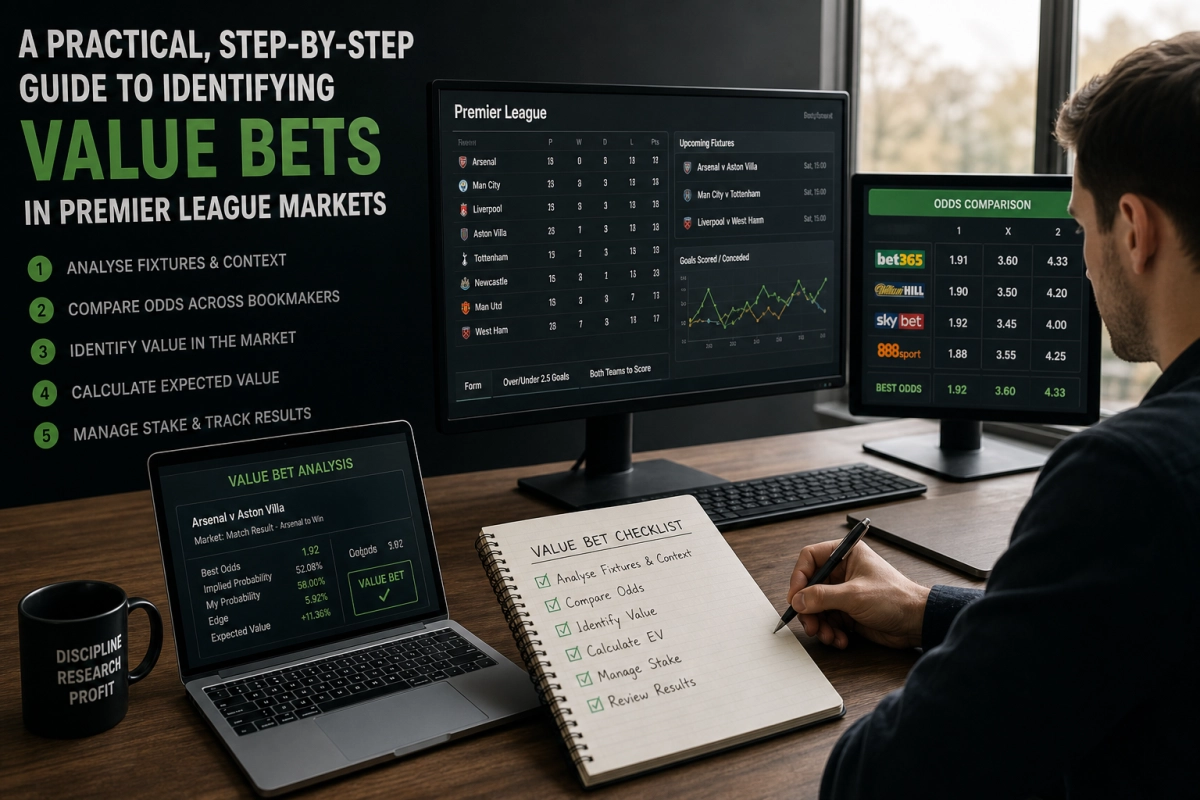
Good over/under value comes less from one brilliant prediction than from a repeatable routine: identify pace, account for injuries and situational modifiers, read market movement, and then act with discipline. Treat each play as an experiment — collect data, learn, and adjust rather than chasing every line move.
Pregame checklist (2–5 minutes)
- Confirm recent possessions and compare to the posted total; adjust your implied possessions if there’s a clear mismatch.
- Scan injury reports and projected rotations — identify whether absences affect volume, efficiency, or both.
- Check rest, travel direction, and whether it’s a back-to-back for either team.
- Review line movement and public vs. money splits; pause if movement lacks an obvious cause.
- Quickly note referee crew foul/FTA tendencies and any motivation cues (coaching comments, lineup tags).
Bankroll, staking, and review
- Use a consistent staking plan (flat units or a small Kelly fraction). Keep individual over/under wagers small (commonly 1–3% of bankroll for single-game edges).
- Log every bet with your rationale (pace, injury, market reason). A disciplined log reveals which reads actually correlate with profit.
- Review results monthly and by bet type (totals vs. spreads, rest situations, referee crews) to find repeatable edges.
Resources and continual improvement
- Rely on trusted data sources for pace and lineup info; for a deep box-score and lineup history, use Basketball-Reference.
- Use market-aggregator tools for line movement and public/professional splits, and follow a few reliable sharp-money trackers to spot informed activity.
- Experiment in small samples and treat every losing streak as variance until your own data proves otherwise.
Keep your approach methodical, your stakes proportional, and your focus on process over outcome — that’s how small edges in pace, injuries, and trends turn into long-term profit.