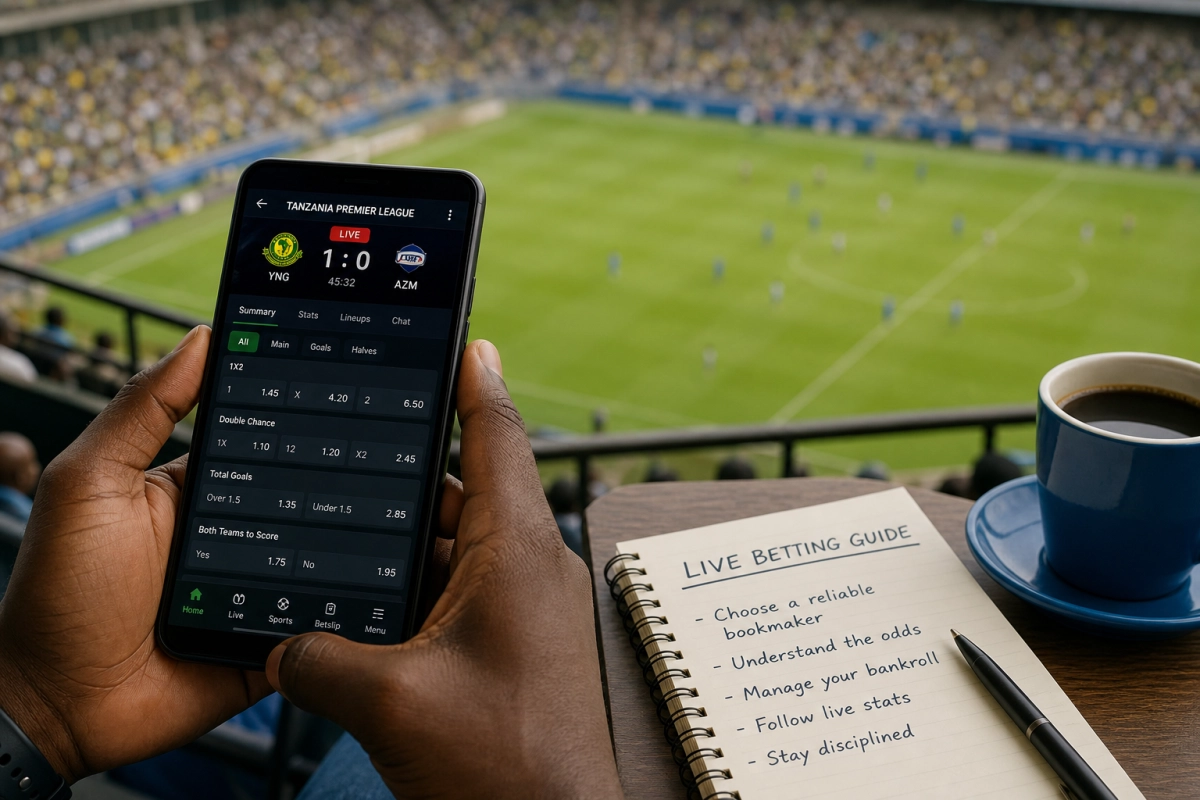

How live basketball betting changes the way you approach NBA wagers
When you place a pregame bet you’re locking in a single line based on projections, injuries, and public money before tip-off. Live basketball betting odds transform that experience by updating prices every possession, quarter, and timeout. This means you’re no longer betting against a static number — you’re betting against a constantly shifting market that rewards fast, disciplined thinking and a clear plan.
In-game NBA wagers give you opportunities to capitalize on momentum swings, referee tendencies, and real-time injury information. However, the speed and volume of changes also create traps: chasing lines, overreacting to small sample sizes, and getting caught in poor timing. Understanding what moves live odds and how bookmakers adjust lines is the essential first step to winning more often.
How to read live odds and what actually moves the lines
Key game events that change prices
- Momentum swings: Runs and defensive stops often create immediate line movement. If one team goes on a long run, spreads and totals will adjust to reflect expected continued performance.
- Injuries and substitutions: A star player hobbling off or being ruled out shifts expected points and matchup dynamics faster than almost anything else.
- Pace changes: If a team increases possessions through faster play or intentional fouling, live totals and player prop lines can move to reflect the new scoring environment.
- Referee and foul patterns: Early foul trouble for key players or a whistle-heavy crew can reduce minutes and scoring opportunities, prompting lines to react.
Market mechanics: how sportsbooks update live basketball betting odds
Sportsbooks use a mix of automated models and trader adjustments to continuously reprice markets. Automated algorithms will react almost instantly to box score data (scoring runs, rebounds, turnovers), while human traders may step in to correct pricing in the face of unusual bets or new information such as injuries or lineup announcements. You should know that:
- Odds are calculated on probability plus a house margin; narrow margins on in-game markets mean small informational advantages can be profitable.
- Betting limits and latency matter: the faster you see and act on data, the more of the true edge you can capture before the market corrects.
- Public perception influences lines — heavily backed favorites can shorten quickly, creating value on underdogs if you anticipate regression.
Mastering these basics — what events move odds and how markets respond — sets the groundwork for actionable in-game strategies, bankroll rules, and player-specific approaches that will be covered next. In the following section you’ll learn step-by-step tactics for timing your bets, exploiting line delays, and managing risk while placing live NBA wagers.
Timing your bets: when to pounce and when to wait
Successful live bettors treat each game as a sequence of discrete opportunities rather than one long event. That means having pre-defined triggers — not impulsive responses — for when you place money. Good timing comes from anticipating what the market will do after obvious events and acting either before the market fully adjusts or after it overreacts.
- Bet early on predictable status changes: when a starter is confirmed out at halftime or the official injury report changes, lines can lag while books recalc. If you know the substitution pattern and it materially alters matchups, act fast.
- Wait through short-term variance: small 6–8 point runs happen frequently. Unless the run is linked to a structural change (foul trouble, ejection, rotation tweak), resist betting into it. You’re trying to bet on sustained change, not noise.
- Exploit quarter boundaries: the moments immediately after quarter breaks often produce mispriced lines. Coaches adjust strategy, players get rest, and automated models can misread an early run’s sustainability. Quarter opens and closes are high-liquidity windows where you can find value if you read adjustments correctly.
- Target predictable pace shifts: when a team starts intentionally fouling or plays the final minutes up-tempo, totals and player props move. If you can anticipate the tactic (e.g., a trailing team with a poor free-throw shooter), place your bet before the market fully prices the new possessions.
Exploiting line delays and data latency
Not all bettors see the same information at the same time. Broadcast delays, sportsbook feed lags, and your internet speed create exploitable windows. The key is access to the fastest reliable data and strict discipline about where and how you act on it.
- Use multiple sources: combine a tick-by-tick play-by-play feed (league or trusted data provider), a sportsbook that updates quickly, and a live video source. If your video has a 5–10 second delay compared with the book’s data feed, you can still be advantaged by watching the play-by-play rather than the broadcast.
- Shop for latency advantages: different books have different update speeds. Keep an account with at least two fast-moving sportsbooks and one that typically lags; the latter can be a place to capture stale lines if you act decisively.
- Beware of automated limits: bots and algorithms will often snap up obvious value within seconds. Your edge is usually in the 5–30 second range — fast enough to beat slower traders but not so fast that you’re trading against institutional algorithms.
Managing risk and bankroll during live action
In-game wagering is higher-variance than pregame action because you place more bets, faster. Protect your bankroll with concrete rules that keep emotion and impulse out of the equation.
- Set a live-bet unit size: use a smaller unit for live bets than for pregame — many professionals scale live units to 25–50% of their normal stake. Consider a hard cap per game (for example, no more than 5% of your bankroll across all live bets on one game).
- Use fractioned staking or Kelly-lite: if you calculate an edge, apply a conservative fraction of Kelly (e.g., 10–20%) to avoid catastrophic variance. Otherwise use flat units and limit the number of live bets per game.
- Predefine stop-loss and profit targets: decide in advance when you’ll stop trading a game — for instance, walk away after a 10% bankroll drawdown or when you’ve realized 8% profit for the day. This prevents chasing losses and tightens focus.
- Scale in and out: instead of placing a full stake at once, layer positions as the game evolves and close parts of a bet to lock profit or cut losses. Partial hedges and cash-outs can protect gains but use them selectively so you don’t erode long-term value.
With disciplined timing, an eye for latency gaps, and strict bankroll controls, live betting becomes less roulette and more repeatable edge hunting. The next section will outline player-specific in-game strategies and concrete examples you can test live.
Player-specific in-game strategies
Read rotations and usage
Watch substitution patterns and how coaches rely on certain players in late-game or defensive situations. When a high-usage starter sits for a stretch, the redistribution of shots and playmaking creates clear opportunities for overs on bench scorers or increased assists/turnover lines for remaining playmakers.
Exploit matchup shifts
- Target player props when a favorable defensive matchup appears: if a poor perimeter defender is matched against a hot shooter, the market can lag before adjusting player point lines.
- Monitor foul trouble: a key player in early foul trouble often leads to reduced minutes and scoring; bet underlines or shop alternate minutes markets where available.
- Use pace expectations for player totals: when a team presses or intentionally fouls, anticipate more possessions for certain players and position your prop bets accordingly.
Concrete micro-examples to test
- Half-time injury/out notice: if a starter is ruled out and the bench rotation is known, place a small live unit on the bench player to exceed their pregame projection.
- Early foul on a star: take the under on that player’s minutes or points within the next 8–10 minutes rather than the full game line.
- Late-quarter pace change: if a trailing team starts aggressive fouling and the opponent is a poor FT team, place a quick total or free-throw prop before the market fully prices extra possessions.
Putting it into practice
Winning at live NBA wagering is less about heroic reads and more about disciplined preparation, small experiments, and continuous learning. Build a concise pre-game checklist, limit live stake sizes, and keep a simple trading log so you can review decisions after each session. Start with paper or micro-stakes to validate signals, then scale only when your edge proves repeatable.
For live data feeds and quick game-state verification, rely on a trusted play-by-play source such as the NBA play-by-play feed and compare it against your sportsbook updates to measure latency. Above all, protect your bankroll, stick to your triggers, and treat each in-game market as an information edge you can test and refine over time.